
- Location
- Solana Beach, San Diego County
- Job record
- Marked completed February 26, 2026
- Repair focus
- Gravel-joint stabilization around existing pavers
- Outside the scope
- Major drainage corrections, regrading and base repairs
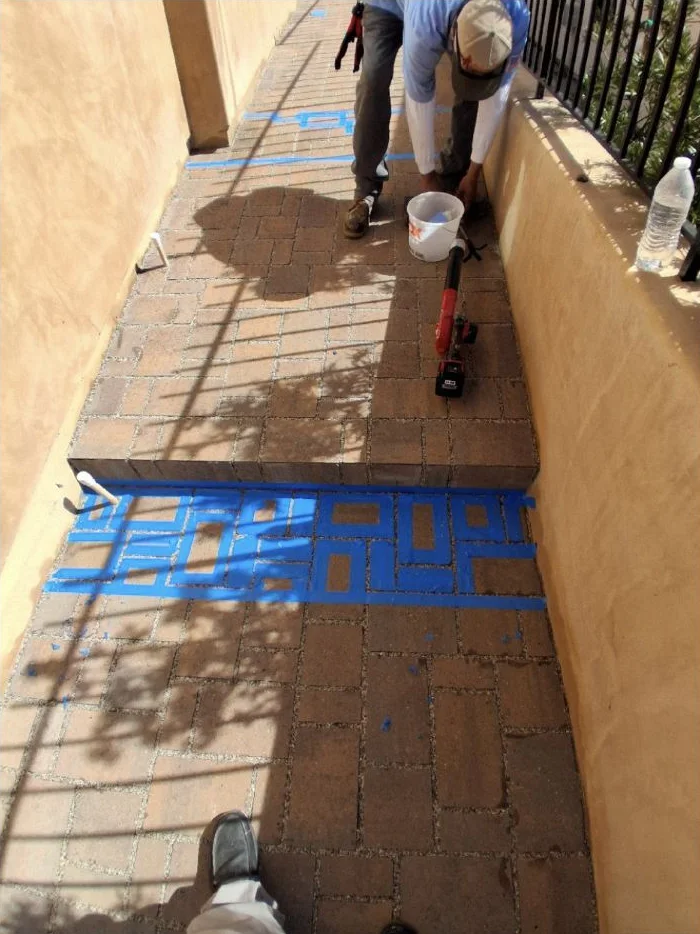
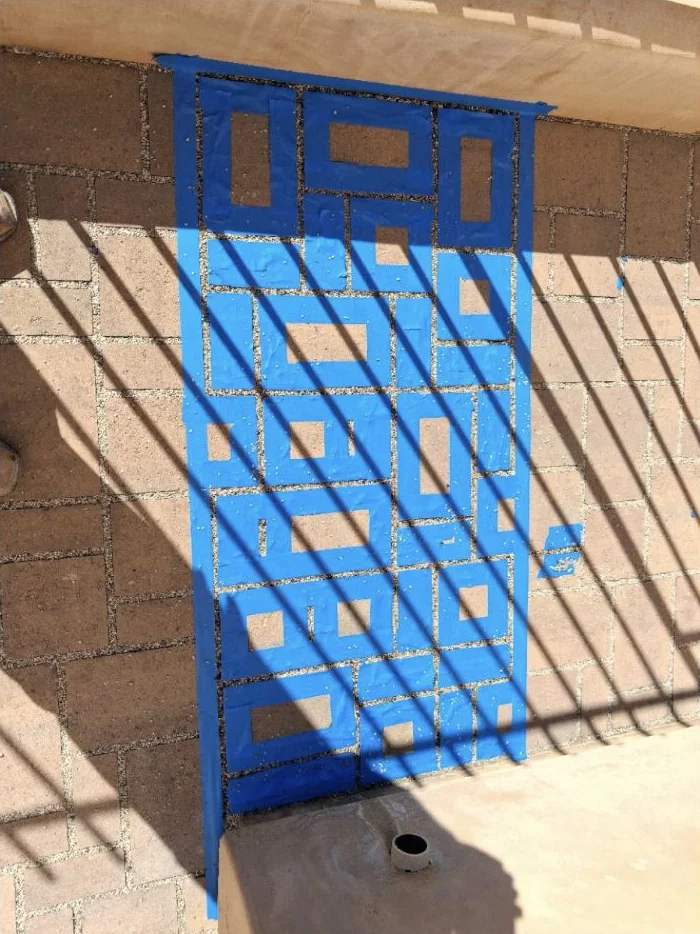
The problem: joint gravel moved when it rained
The customer reported small gravel washing from paver joints during rain. AWC evaluated the affected areas and prepared a repair scope focused on keeping the joint material in place.
That complaint does not establish that the pavers needed complete replacement, or that a surface treatment alone would resolve the property’s runoff. The repair proposal addressed the joint material and explicitly left larger drainage and grade changes outside the scope.
What AWC scoped and documented
The written scope called for cleaning and preparation, suitable drying time, repacking the joints with the client’s gravel, an exterior binder treatment, curing and cleanup. It also called for avoiding blockage of drainage paths.
The job photographs show preparation with protective masking on the paver faces, treated joints while the masking remained, and later views after the masking was removed. The work record was marked completed on February 26, 2026.
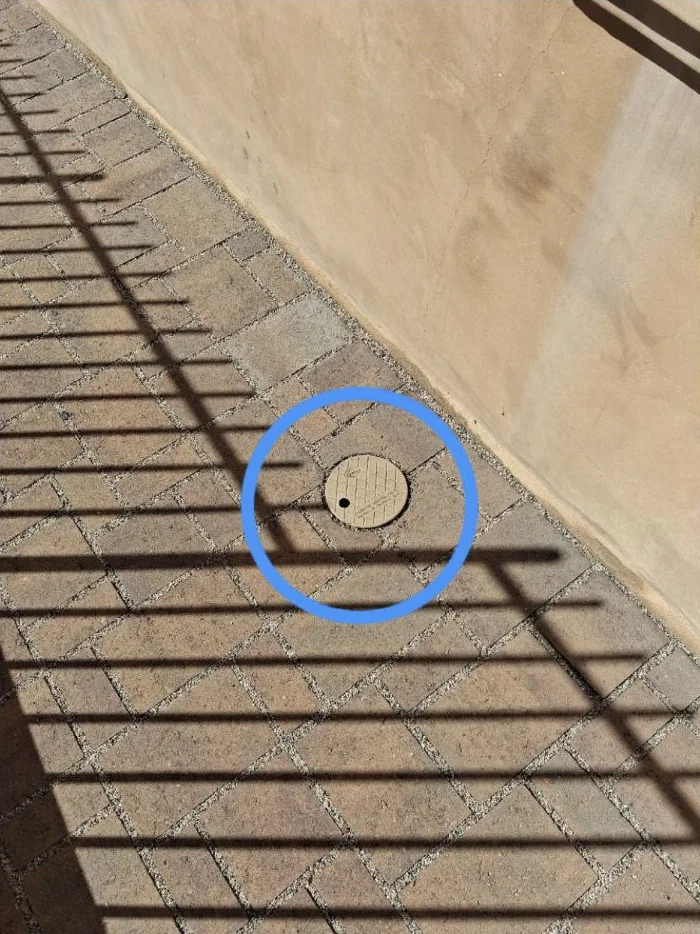
These images document the repair stages and the visible appearance on the completion date. They are not a before-and-after storm test.
A nearby drain observation was a separate issue
A technician note from the work period also recorded compost, dirt and gravel in a driveway drain. That is a useful reminder to review where displaced material goes, not just where it starts.
The note does not establish that the entire drainage system was repaired or that its capacity was tested. The paver scope excluded major drainage corrections, paver regrading and base repairs. We have not found a later rain-performance test in this project record.
For a similar property, ask for separate findings on the joint material, surface levels, accessible drains and discharge route. Each finding should lead to a defined action or a clearly stated unknown.
What to ask when rain keeps washing out the joints
- Is the concern loose joint material, moving pavers or both? Ask the evaluator to identify the observed condition before choosing a treatment.
- Where does rainwater cross the area? Share wide views, nearby downspouts and the location where material collects, photographed safely.
- What remains accessible? The scope should account for drain openings, removable covers and any future service access.
- Which work is excluded? Make sure surface stabilization, drain work, regrading and base repairs are not blurred into one promise.
- When can the area be used again? Get product- and weather-appropriate access and cure instructions for the actual materials selected.
Match the repair to the water problem
This job illustrates a limited repair with a defined boundary. It should not be read as a claim that binding gravel prevents property flooding or replaces a drainage evaluation.
If water is pooling near the pavers, review AWC yard and courtyard drainage support. If hardscape damage also needs repair, see AWC concrete and hardscape repair resources. Keep the source review and permanent construction scope connected.
Send safe photographs and a brief history of what changes during rain. For work requiring site verification, request the $250 Site Evaluation + Written Bid Package, credited back if the construction work is approved within 30 days.